

Doing Design Thinking
Real-world insights from the messy middle of design, innovation, and strategy.

Design Thinking Across Time
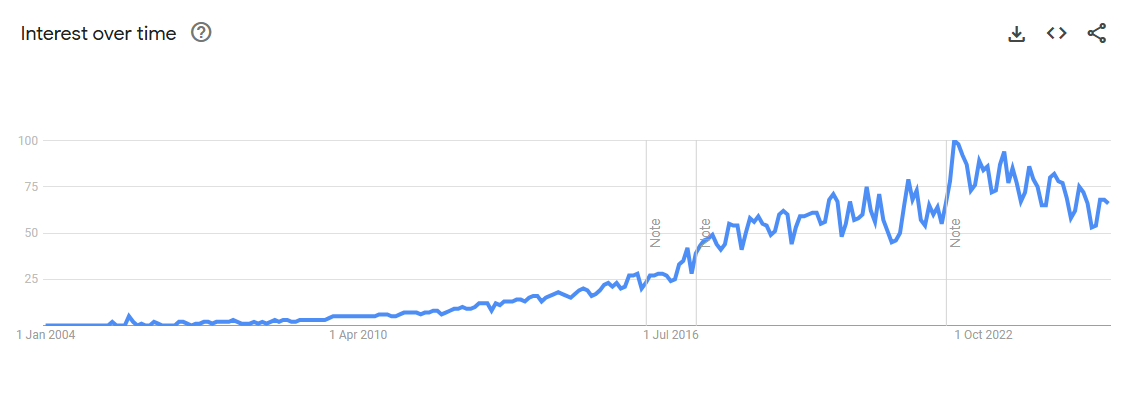
The modern-day definition of Design Thinking began gaining momentum in the early 1990s, thanks to David Kelley and the team at IDEO. Since then, it has spread rapidly across fields and industries.
As global consulting firms like McKinsey & Company and Accenture began acquiring design consultancies since the mid-2010s, and some even went further by establishing their own in-house teams, design (or Design Thinking) became a core, foundational element in how organizations approach innovation and problem-solving.
I remember when I was interning at designaffairs in the late 2010s, an innovation consultancy based in Germany. I was working in its Shanghai office at the time, and happened to be there when the team was celebrating its acquisition by Accenture.
It felt like a milestone, not just for the firm, but for the broader shift in how design was becoming integrated into business strategy and leadership. It was early in my career, a placement during my third year at uni, and it came as a wake-up call to me.
—
About The Author: Crafting My Path
Early in my journey, I was deeply immersed in the doing side of design, hands-on and craft-oriented work that I not only enjoyed but also believed I was quite good at. But that experience challenged that perspective and reshaped the way I saw my future. It pushed me to step back, reevaluate my path, and consider design not just as execution but as a way of thinking. It wasn’t driven by a sudden change of interest. I had always been curious about the value design could bring to the leadership table.
Fortunately, my entrepreneurial experience as a founding partner at a startup gave me a front-row seat to the intersection of design and business. I worked on crafting value propositions, collaborated closely with a cross-functional team, and gained hands-on experience in driving real-world innovation. It was there that I first saw how design could power strategy and shape ventures from the ground up.
Today, while my title is UX Researcher, my work focuses on innovation through research, supporting the development of new services and uncovering opportunities grounded in user needs.
—
Looking Ahead with Generative AI
Today, Design Thinking is used across many fields, including technology, education, healthcare, government, and beyond. As its popularity has grown and matured, it has also faced criticism, particularly when misapplied, treated like a five-step checklist than a deeper way of thinking.
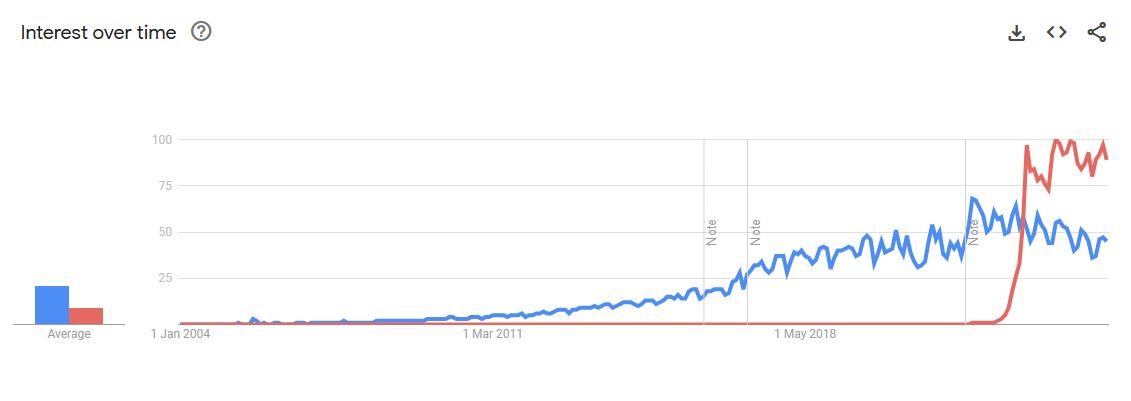
But first and foremost, with the rise of generative AI, we are facing a major shift that brings both challenges and opportunities. It is up to us whether we resist it, adapt to it, or actively shape how it integrates with the way we design, think, and innovate.
Thankfully, I’m seeing more and more voices highlighting how generative AI and Design Thinking can form a powerful combination when applied thoughtfully.
—
Doing Design Thinking
So, let’s get down to it.
Because so much of design thinking and strategy lives in theory, I want to share some real-world, practical insights into how they actually play out in the wild.
I’ve personally struggled with all the mess and constraints, like stakeholder chaos, the challenge of selling its value, and everything in between (you name it). But trust me, Design Thinking works when it is put into practice.
I’ve written down notes whenever there was something to learn. By sharing them, I hope to offer something useful whether you are in business, research, design, or anything in between. And most importantly, I hope to learn from all of you through this wonderful community.
Going forward, I plan to share stories from my experience with design thinking, strategic insights, and UX research about once every two weeks.
Some in-depth content or worksheets may be available exclusively for paid subscribers, but the core ideas and conversations will remain open for everyone to read and discuss.
Thanks,
Henry Lee